
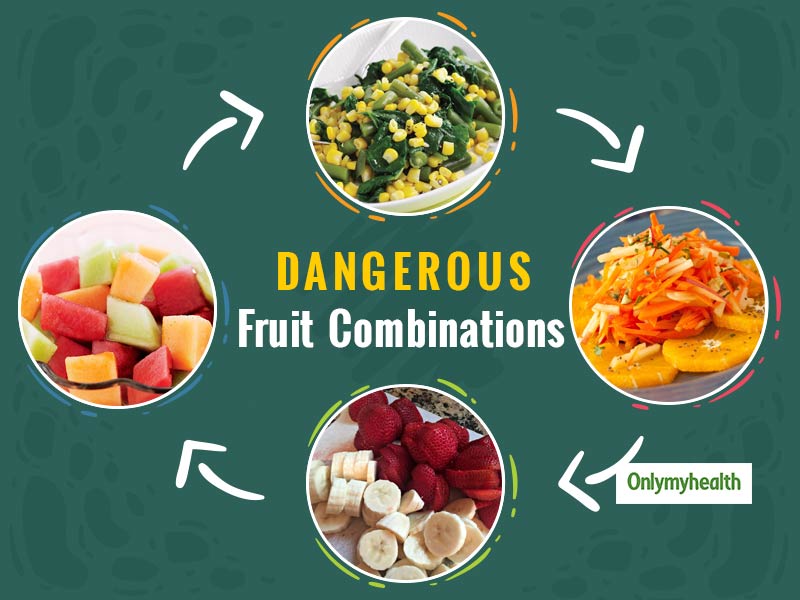
While fruits are generally healthy, not all of them should be eaten together. Some combinations can cause digestive discomfort, bloating, or reduce nutrient absorption. Many people are unaware that mixing certain fruits can lead to avoidable stomach issues. Here are some fruit pairings you should avoid:
1. Acidic Fruits + Sweet Fruits
Examples: Oranges, lemons, pineapples (acidic) with bananas, mangoes, pears (sweet).
These fruits digest at different speeds. When combined, the sweet fruits may stay longer in the stomach and ferment, causing gas, discomfort, and bloating.
2. Acidic Fruits + Starchy Fruits
Examples: Oranges or pineapples with bananas or plantains.
Acidic fruits prevent the proper digestion of starchy fruits, which can lead to heaviness and indigestion.
3. Melons With Any Other Fruit
Examples: Watermelon or cantaloupe with any other fruit.
Melons digest extremely quickly and should always be eaten alone. Mixing them with slow-digesting fruits may cause stomach upset and gas.
4. Sweet Fruits + High-Water Fruits
Examples: Bananas or mangoes with watermelon or cucumber.
The high-water fruits move through the stomach fast and may interfere with the digestion of heavier sweet fruits, causing fermentation.
5. Sub-acid Fruits + Acidic Fruits
Examples: Apples, grapes, strawberries (sub-acid) with oranges, pineapples (acidic).
These can irritate sensitive stomachs, leading to mild acidity or discomfort.
Why These Combinations Matter
Different fruits have different digestive times and enzyme requirements. When incompatible fruits are eaten together, they may ferment in the stomach, leading to:
Bloating
Gas
Stomach cramps
Indigestion
Reduced nutrient absorption
Best Practice
If you have a sensitive stomach, try eating fruits in the following groups:
Acidic fruits together
Sweet fruits together
Sub-acid fruits together
Melons alone


0 Comments